Workshop · Open to everyone
Market Design in Practice
Exchange, Matching, and Allocation Systems
A public research workshop on how market design moves from theory into institutions: transplantation exchanges, priority systems, assignment mechanisms, and allocation under ethical and legal constraints.
Program
Workshop Rundown
Keynote: Market Design for Living-Donor Organ Exchange
This talk surveys recent advances in market design for organ transplantation, with a focus on kidney and liver exchange systems. It highlights how matching and exchange mechanisms have transformed living-donor transplantation, including the role of multi-way exchanges, chains, and compatible pairs. The discussion emphasizes theoretical design principles and policy-relevant innovations that can increase welfare and save lives.
M. Utku Unver, Boston College
Coffee Break
On Rent Dissipation in Dynamic Multi-battle Contests
We study dynamic multi-battle contests and examine how contest structure shapes dynamic incentives and rent dissipation. A discouragement effect often prevents full rent dissipation even in long series. We identify exchangeability as a key structural property and establish a necessary-and-sufficient condition for almost-full rent dissipation.
Shanglyu Deng, University of Macau
Complexity Beyond Incentives: The Critical Role of Reporting Language
Many assignment systems require applicants to rank multi-attribute bundles. Using laboratory experiments, we compare reporting interfaces and mechanisms, showing that misreporting rises with preference complexity and that sequential choice can improve accuracy, efficiency, and fairness when ranking burdens are salient.
Manshu Khanna, Peking University HSBC Business School
Visibly Fair Mechanisms
Priority-based allocation often requires eliminating justified envy, but standard mechanisms can conflict with policymaker objectives. Visible fairness evaluates fairness using coarser information, designing message spaces that strategically conceal information that could make desired allocations appear unfair.
Inacio Bo, University of Macau
Task Assignment as Dynamic Incentives
We study repeated task assignment as an instrument for providing effort incentives. Because assignment determines both production and incentives, optimal incentives require a strict and evolving priority ranking. This creates differences in average workloads even among otherwise symmetric workers.
Allen Vong, National University of Singapore
General Discussion and Closing
Speakers
Researchers
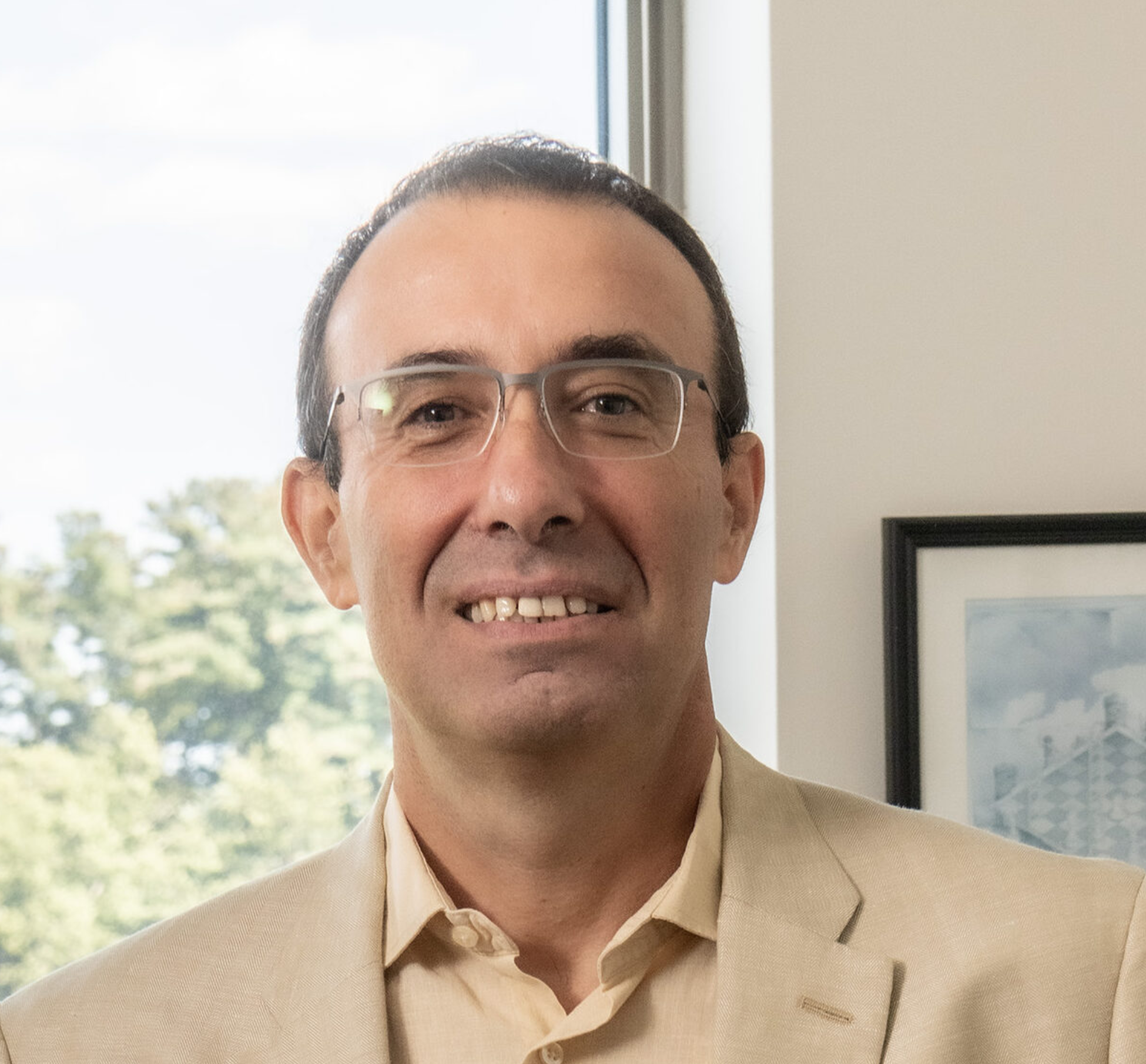
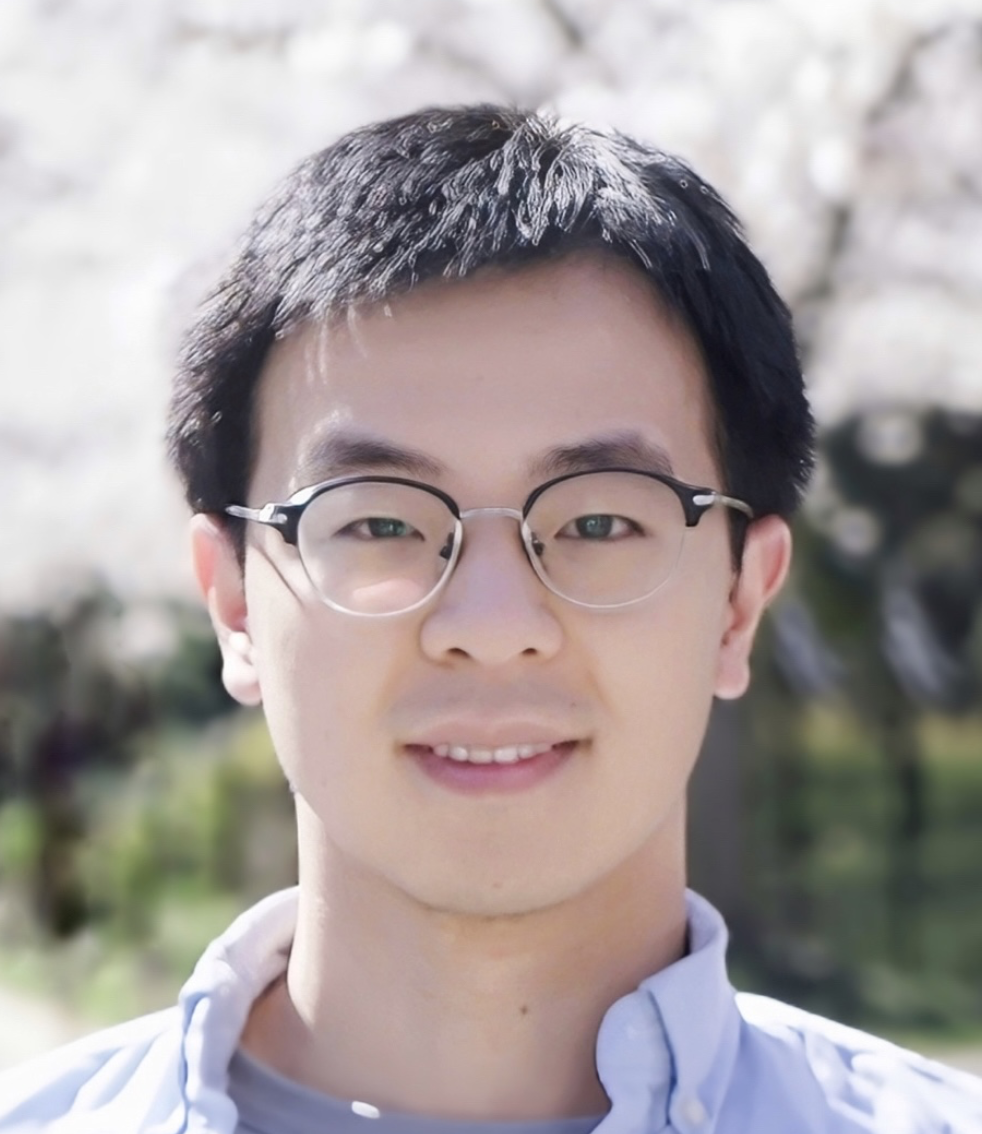
Shanglyu Deng
University of Macau
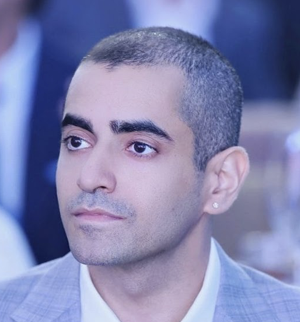
Manshu Khanna
Peking University HSBC Business School
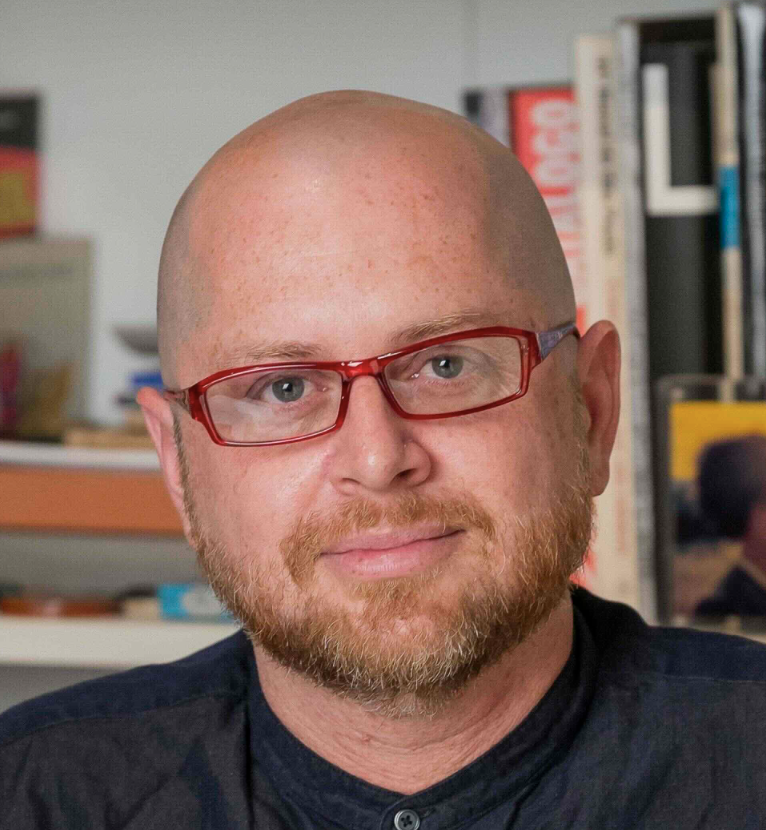
Inacio Bo
University of Macau
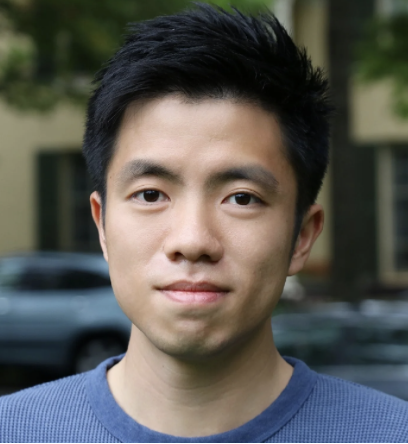
Allen Vong
National University of Singapore
Practical Information
Plan Your Visit
Venue
University of Macau, room E21B-G016.
Attendance
The workshop is free and open to everyone. Registration details, if needed, will be announced.
Distinguished Visit
Professor Unver will visit UM from 7-12 June 2026 for research collaboration and meetings.
Transportation to UM
You may take a taxi or public bus to N2-University Hall (Bus Stop: T554 UM/University Hall).
Current public bus routes connecting to campus:
- 71
- 72
- 73
- 71S
- 701X
- 701XS
- N6 Overnight bus
Route details are available from DSAT bus services and UM's public transport page.
Accommodation
The event organization will not provide accommodation for guests attending in person. The UM Guest House (N1) is a convenient option on campus.
For information and reservation, please refer to UM Guest House.
UM Guest House is located in N1 and provides a comfortable and quiet environment. Guest rooms are equipped with accommodation amenities and offer a modern, simple, and comfortable stay.
Currency Exchange and Electronic Payment
Non-local visitors are encouraged to exchange currency in advance and purchase a Macau public transportation card, Macau Pass, after arriving in Macau. Macau Pass can be purchased at convenience stores on campus. WeChat Pay and Alipay can also be used in Macau.
Convenience Stores and Banks on Campus
Service
Location
Business Hours
Circle K
S24 Staff Quarter
Monday to Sunday, 24 hours
Circle K
N22 Research Building
Monday to Sunday, 24 hours
7-Eleven
E6 Central Teaching Building
Monday to Sunday, 24 hours
BNU
N1 UM Guest House
Monday to Friday, 09:30-17:30; closed Saturday, Sunday, and bank holidays
Bank of China
S8 University Mall
Monday to Friday, 10:00-17:30; closed Saturday, Sunday, and bank holidays
Tai Fung Bank
S8 University Mall
Monday to Friday, 10:00-18:00; closed Saturday, Sunday, and bank holidays